
Popular Outdoor Stairs Building Solutions For Enhanced Safety
Explore a wide range of outdoor stair products that prioritize safety, weather resistance, and long-lasting performance.
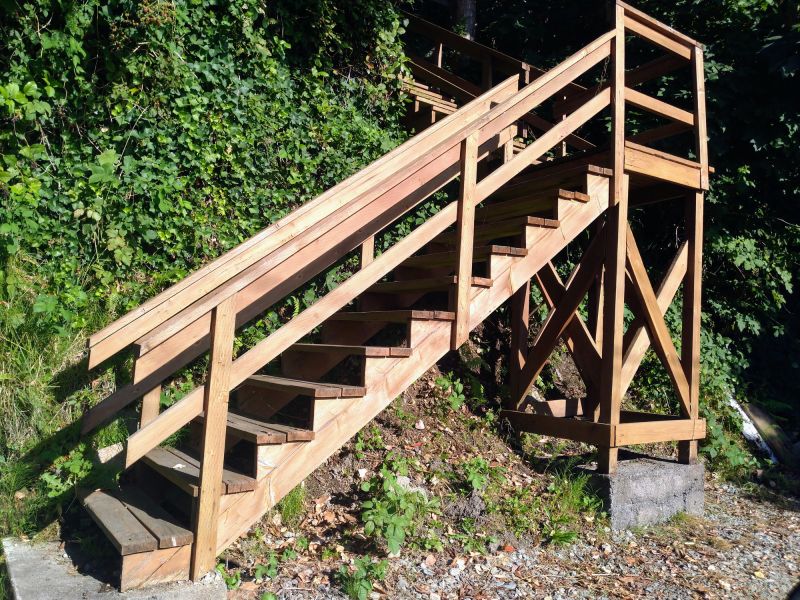 Outdoor stairs are essential components of many buildings, providing safe and accessible entry points for residents, visitors, and service personnel. Selecting appropriate products for outdoor stairs involves considering durability, safety features, weather resistance, and ease of installation. Materials such as concrete, wood, metal, and composite options are commonly used, each offering different advantages based on the specific needs of the building and environment. Properly chosen products can enhance the safety and functionality of outdoor staircases, ensuring they withstand the elements and regular use.
Top Overall Option
Durable Outdoor Stair Treads
Durable outdoor stair treads are designed to provide reliable slip resistance and weather resistance, making them suitable for a variety of building types. They are available in materials such as rubber, textured metal, or composite, offering options for different aesthetic and functional preferences. Easy to install and maintain, these treads can significantly improve safety by reducing slip hazards and providing a sturdy footing. Their robust construction ensures longevity even under harsh outdoor conditions, making them a versatile choice for many building applications.
Types of Products For Outdoor Stairs Buildings
Concrete Stair Stringers
Structural components that support the steps and provide stability, suitable for permanent outdoor installations.
Wooden Stair Stringers
Traditional support elements made from treated wood, offering a natural aesthetic and ease of customization.
Metal Stair Stringers
Durable and corrosion-resistant supports ideal for high-traffic outdoor staircases.
Precast Concrete Steps
Ready-made steps that can be quickly installed, offering durability and uniformity.
Composite Stair Treads
Low-maintenance treads made from composite materials that resist weathering and staining.
Rubber Stair Treads
Flexible, slip-resistant treads suitable for various outdoor environments.
Metal Handrails
Sturdy handrails designed to provide support and safety on outdoor stairs.
Wooden Handrails
Classic handrails that can be stained or painted to match exterior decor.
Lighting Fixtures for Stairs
Weatherproof lighting options that enhance visibility and safety during nighttime use.
Anti-slip Coatings
Protective coatings applied to steps to improve traction and prevent slips.
Safety Strips
High-visibility strips installed on stair edges to alert users to step boundaries.
Drainage Mats
Mats designed to prevent water accumulation on stair surfaces, reducing slip risks.
Weatherproof Sealants
Sealants that protect wood and other materials from moisture and UV damage.
Outdoor Stair Risers
Vertical components that support the steps and can be decorative or functional.
Decorative Gratings
Aesthetic and functional grates that allow water drainage while providing grip.
Popular Choices
Widely used for improving slip resistance and safety on outdoor stairs.
Commonly chosen for added support and safety in outdoor staircases.
Popular for quick application and enhanced traction on step edges.
Trending lighting solutions for outdoor stairs to improve visibility.
Often selected for their durability and ease of installation.
Preferred for low maintenance and weather resistance.
Chosen for drainage and slip resistance in high-traffic outdoor areas.
Popular for their flexibility, slip resistance, and weather durability.
Commonly used to enhance safety and aesthetic appeal.
Trending options to improve safety and ambiance during night hours.
Frequently used to prevent water pooling and reduce slip hazards.
Popular for protecting stair components from the elements.
Widely applied for increased visual cues on stair edges.
Selected for both functional support and decorative purposes.
Commonly used to enhance traction on outdoor stairs.
Design considerations also include slip resistance, lighting compatibility, and aesthetic integration with the building’s exterior. For example, textured treads or anti-slip coatings can significantly reduce the risk of slips and falls, especially in wet or icy conditions. Lighting fixtures designed for outdoor use can improve visibility at night, further enhancing safety. When selecting products, it’s important to evaluate the installation process, maintenance requirements, and compatibility with existing structures.
In addition to structural components, accessories such as handrails, balustrades, and safety strips are vital for comprehensive safety solutions. These elements should meet local building codes and safety standards while complementing the overall design. Regular inspection and maintenance of outdoor stairs are crucial for longevity and safety, including replacing worn-out components and applying protective coatings as needed. By carefully selecting and maintaining the right products, property owners can ensure outdoor stairs remain safe, functional, and visually appealing over time.
Key Buying Considerations
- Material durability and weather resistance to withstand outdoor conditions.
- Slip resistance features to prevent accidents, especially in wet or icy weather.
- Compatibility with existing building design and aesthetic preferences.
- Ease of installation and whether professional help is needed.
- Maintenance requirements and longevity of the product.
- Compliance with local building codes and safety standards.
- Weight and structural support needs based on stair usage and load.
- Availability of accessories such as handrails, lighting, and safety strips.
- Cost and budget considerations for initial purchase and ongoing maintenance.
- Drainage capabilities to prevent water accumulation on steps.
- UV resistance if exposed to direct sunlight over extended periods.
- Compatibility with other exterior features like decks or porches.
- Color options and finish to match or complement the building exterior.
- Ease of replacement or repair in case of damage.
- Environmental factors such as snow, ice, or heavy rainfall that may influence product choice.